
2600 W University Dr. #100
McKinney, TX 75071

Blog list
Texas Vision Laser Center Blog
Learn more about optometrist care in our blog!

Long hours in front of computers are common for professionals working in Frisco’s growing tech and business centers. During the winter, however, screen-related eye discomfort can become more noticeable. Dry indoor air, extended screen time, and reduced blinking can contribute to burning, blurry vision, and tired eyes. At Texas Vision & Laser Center, we help patients understand whether their symptoms are caused by digital eye strain, dry eye disease, or a combination of both.

If menus, text messages, or labels are becoming harder to read after age 40, you may be experiencing presbyopia. This common age-related vision change occurs as the natural lens inside the eye gradually becomes less flexible, making it more difficult to focus on close objects. At Texas Vision & Laser Center, we can evaluate your vision and discuss options such as monovision LASIK and refractive lens exchange for reducing your dependence on reading glasses.
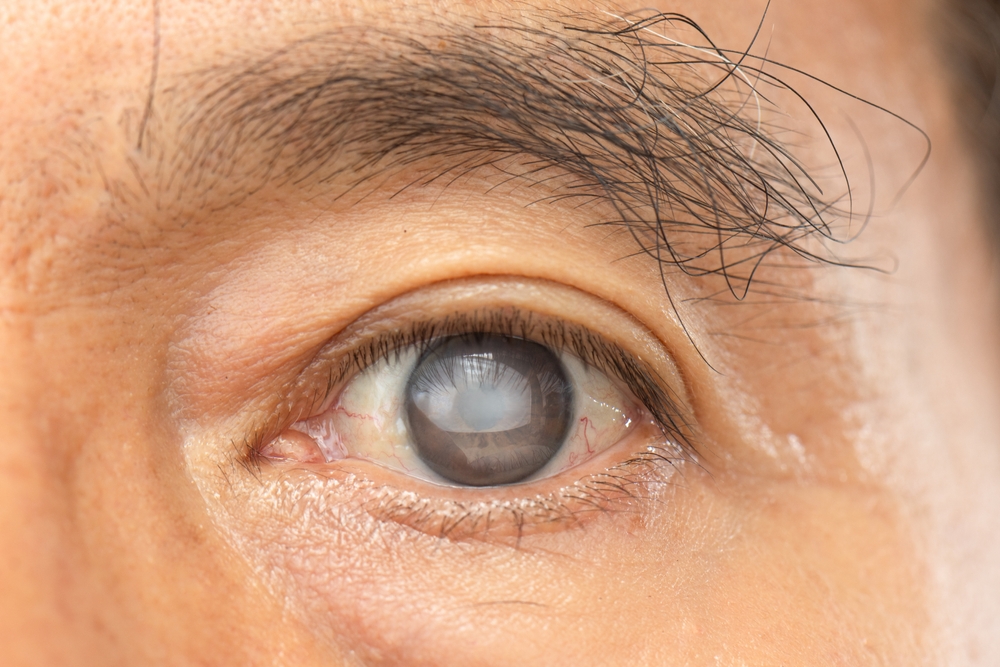
Cataracts and glaucoma are separate eye conditions, but many adults experience both at the same time. Cataracts cloud the eye's natural lens and interfere with clear vision, while glaucoma can damage the optic nerve, often in connection with elevated eye pressure. For certain patients in McKinney, cataract surgery may provide an opportunity to address both concerns during the same procedure.
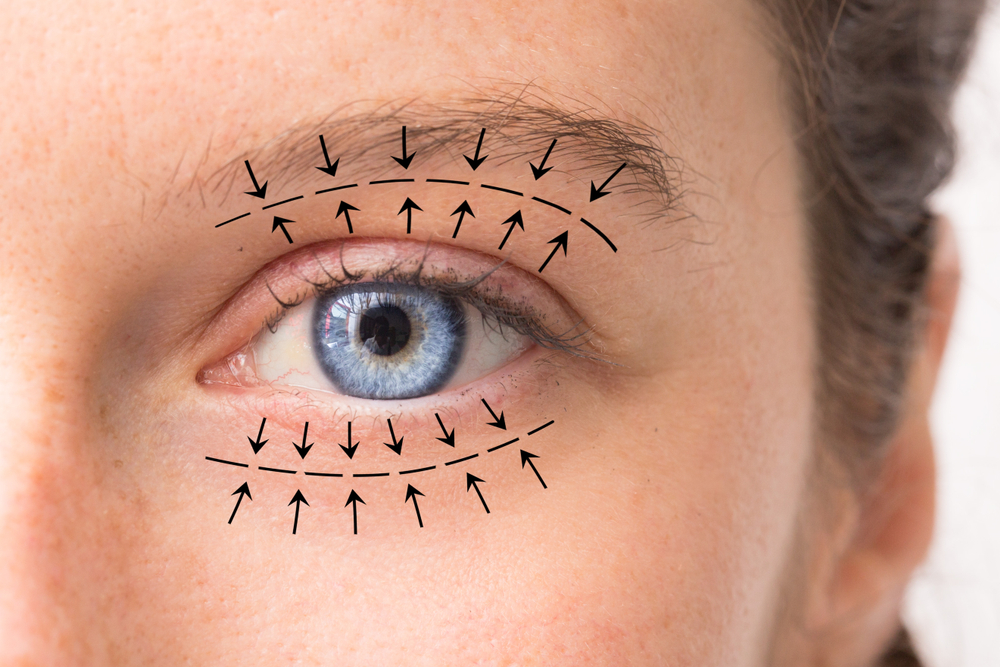
The skin around the eyes is delicate, making it one of the first areas to show noticeable signs of aging. Drooping upper eyelids, puffiness, and under-eye bags can create a tired appearance even when you feel rested. Blepharoplasty is an outpatient eyelid surgery that removes or repositions excess skin, fat, and tissue. Depending on your needs, treatment may involve the upper eyelids, lower eyelids, or both.

For adults who want greater freedom from glasses or contact lenses, LASIK and PRK are two proven laser eye surgery options. Both procedures reshape the cornea to improve how light focuses on the retina, helping correct nearsightedness, farsightedness, and astigmatism. The main difference is how the surgeon accesses the corneal tissue.

Services
Learn More
Keep In Touch
Contact Us
hours of operation
- Monday8:00am - 5:00pm
- Tuesday8:00am - 5:00pm
- Wednesday8:00am - 5:00pm
- Thursday8:00am - 5:00pm
- Friday8:00am - 5:00pm
- SaturdayClosed
- SundayClosed
QUICK LINKS
© 2026 Texas Vision Laser Center. All rights Reserved. Accessibility Statement - Privacy Policy - Sitemap
Managed and Designed By
