
2600 W University Dr. #100
McKinney, TX 75071

Upper vs. Lower Blepharoplasty: How We Address Droopy Lids and Under-Eye Bags
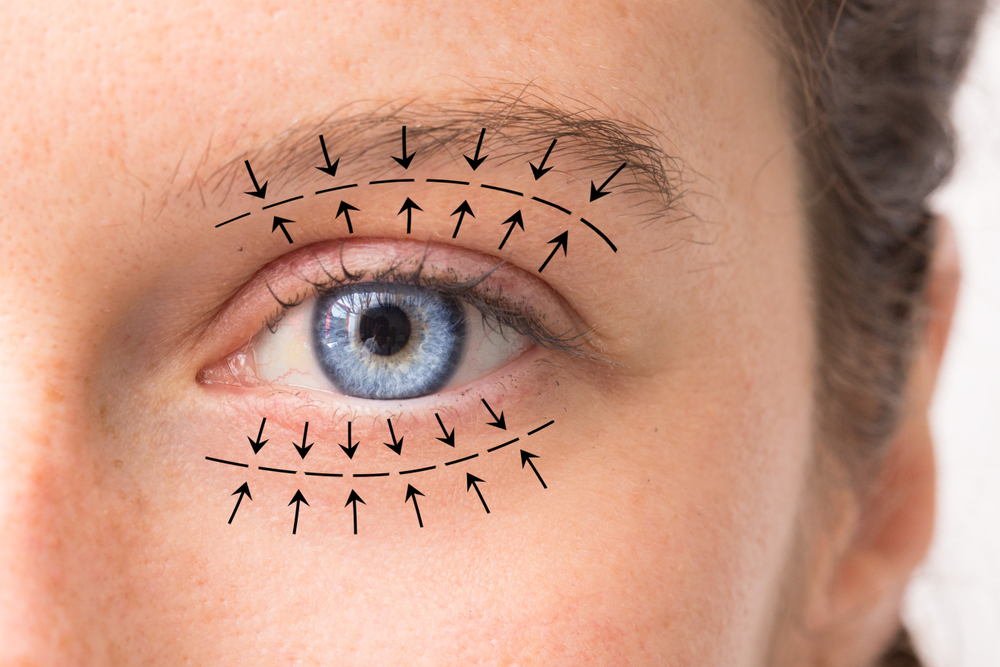
Upper vs. Lower Blepharoplasty: How We Address Droopy Lids and Under-Eye Bags
The skin around the eyes is delicate, making it one of the first areas to show noticeable signs of aging. Drooping upper eyelids, puffiness, and under-eye bags can create a tired appearance even when you feel rested. Blepharoplasty is an outpatient eyelid surgery that removes or repositions excess skin, fat, and tissue. Depending on your needs, treatment may involve the upper eyelids, lower eyelids, or both.
What Does Upper Blepharoplasty Address?
Upper blepharoplasty focuses on excess skin and fullness above the eyes. As the skin loses elasticity, it can begin to fold over the natural eyelid crease. This may make the eyes appear heavy, hooded, or less alert.
In some cases, severely drooping upper eyelid skin can also interfere with peripheral vision. Upper blepharoplasty may improve both appearance and everyday visual function when excess tissue partially blocks the field of vision.
During the procedure, an incision is typically placed within the eyelid’s natural crease. The surgeon carefully removes or adjusts excess tissue to create a smoother, more open eyelid contour while keeping the result balanced with the rest of the face.
What Does Lower Blepharoplasty Address?
Lower blepharoplasty is designed to improve under-eye bags, puffiness, loose skin, and certain wrinkles beneath the eyes. These concerns often develop when fat shifts forward or the supporting tissues around the lower eyelids weaken.
Unlike upper eyelid surgery, lower blepharoplasty is generally performed for cosmetic improvement rather than vision-related concerns. The goal is not to change the natural shape of the eyes but to create a smoother transition between the lower eyelid and cheek.
Depending on the patient’s anatomy, the incision may be placed just below the lower lash line or inside the lower eyelid. Excess fat may be removed or repositioned, and loose skin may be carefully tightened.
Comparing Upper and Lower Eyelid Surgery
While both procedures refresh the eye area, they address different concerns:
• Upper blepharoplasty treats hooding, excess upper eyelid skin, and heaviness that may affect vision
• Lower blepharoplasty targets under-eye bags, puffiness, loose skin, and lower eyelid wrinkles
• Upper and lower blepharoplasty may be combined when aging affects the entire eye area
• Every treatment plan should be based on eyelid structure, eye health, facial balance, and personal goals
Do You Need Upper, Lower, or Combined Blepharoplasty?
You may benefit from upper eyelid surgery if your eyes look hooded or your eyelid skin feels heavy. Lower eyelid surgery may be more appropriate when under-eye bags remain noticeable despite adequate sleep and skincare.
Some patients have concerns involving both areas. Combining upper and lower blepharoplasty allows the surgeon to address the eyelids together for a more balanced result. A detailed consultation is necessary to evaluate your eye health, eyelid position, skin quality, and expectations before recommending surgery.
Schedule a blepharoplasty consultation with Texas Vision & Laser Center to explore your options. Contact our offices in Frisco or McKinney, TX, by calling (972) 548-2015 to book an appointment.

Services
Learn More
Keep In Touch
Contact Us
hours of operation
- Monday8:00am - 5:00pm
- Tuesday8:00am - 5:00pm
- Wednesday8:00am - 5:00pm
- Thursday8:00am - 5:00pm
- Friday8:00am - 5:00pm
- SaturdayClosed
- SundayClosed
QUICK LINKS
© 2026 Texas Vision Laser Center. All rights Reserved. Accessibility Statement - Privacy Policy - Sitemap
Managed and Designed By
