
2600 W University Dr. #100
McKinney, TX 75071

Lasik
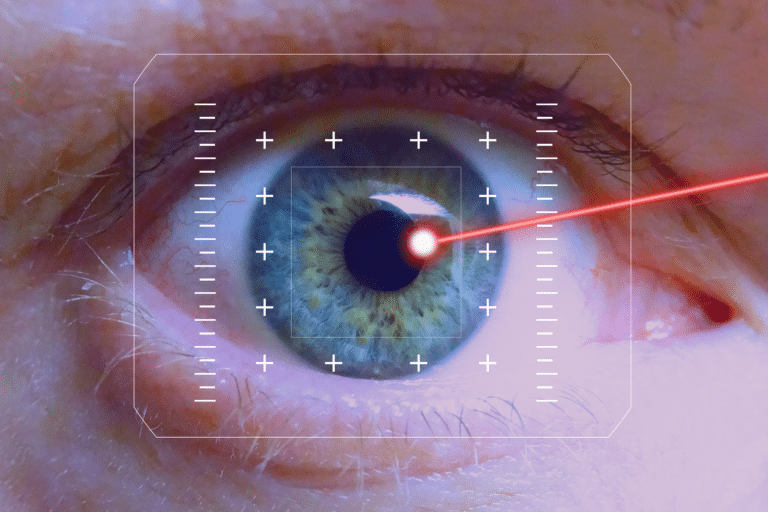
What is Lasik?
LASIK stands for Laser assisted In-situ Keratomileusis. It is a two-step procedure for correcting refractive error, such as nearsightedness, farsightedness or astigmatism. It is currently the most common refractive surgery procedure performed in the U.S.

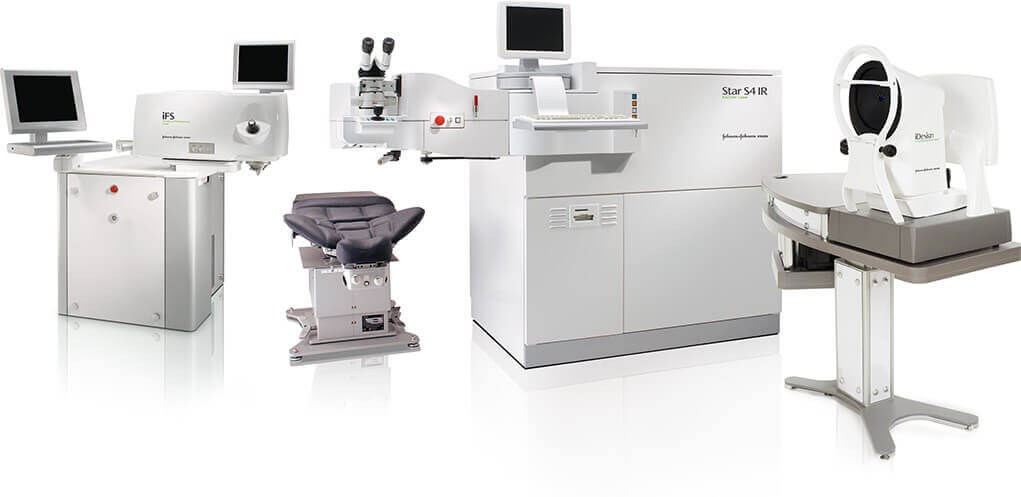
What is iLasik?
iLASIK is a vision correction surgery that takes advantage of femtosecond laser technology to create a flap on the surface of the cornea. This flap is gently pulled back by the surgeon and then the excimer laser treats the underlying surface to produce crisp, clear life-long vision.
The Procedure
The entire procedure focuses on the clear surface of the eye called the cornea. This is the same part of the eye where contact lenses are placed for vision correction. When contact lenses sit on the cornea, they change the way that light is bent as it enters the eye. For farsighted people the contact lens bends the light more. For nearsighted people it bends the light less. However, with LASIK, a very sophisticated and precise laser is used to permanently reshape your eye, making it flatter or steeper to correct the error that exists on the surface of the eye. This creates a permanent solution for refractive error that can’t be achieved with contact lenses.
The first step in the two-step process is the creation of a thin flap on the surface of the eye. A special instrument, called a microkeratome, is used to create a thin flap on the surface of your eye. Just like a cheese wire creates a flap when pulled through a block of cheese, the mircokeratome creates a flap in the cornea. This is a very sophisticated process that takes about 15 seconds and is completely painless. This step allows the surgeon access to the middle portion of the cornea where the resurfacing will take place. In some instances, you or your surgeon may elect to use a laser to create the flap. The laser used to create this flap at the Texas Vision & Laser Center is a femtosecond laser called Intralase, and is a completely different laser than the one used to reshape the eye. To find out more about Intralase click on the link.
Once the flap is created it is pulled back and the second step is performed. The second step involves the reshaping of the cornea by using a very precise excimer laser. The Texas Vision & Laser Center uses the VISX Star S4 excimer laser capable of tracking the very fine movements of the eye at a rate of 10,000 times per second. The usual treatment time will vary depending on the amount of correction needed. But, typically it ranges from 10 to 50 seconds per eye.
Once the laser completes the reshaping of the cornea, the surgeon repositions the flap, and the same two-step procedure is performed on the other eye if both eyes require correction. Once this is completed the flap immediately begins to seal back into place. After about 24 hours the flap is completely sealed. However, it can take two to four weeks for the flap to completely heal. During this time patients may experience mild fluctuations in vision, and are counseled not to rub their eyes or to go swimming.
After the Procedure
To help with the healing process, prescription eye drops are used for approximately one week after surgery. For the first week after surgery, patients are asked to wear a shield over the eyes while sleeping. For the first month after surgery, patients are asked to use artificial tears to help minimize any drying of the eye surface.
For the first few hours after LASIK, patients experience a mild irritation that may feel like something in the eye. However, this irritation rapidly dissipates over the following five to six hours. Keeping the eyes closed at all times, and lubricated with artificial tears, will minimize the intensity and duration of these symptoms.
Immediately after surgery, patients will experience hazy and blurred vision that will persist for the rest of the day. This will slowly improve as the day progresses. However, the vision will not be significantly better until the following day. The next day, most patients have good enough vision to drive themselves to their follow-up appointment without the use of glasses.
Lasik Options
There are many different variables to the LASIK procedure depending on the surgeon and facility you choose. These variables may include the use of different microkeratomes to create the flap or a femtosecond laser like Intralase to make the flap. A second variable that may exist is the brand of excimer laser that is used. There are several different excimer lasers that exist- all are not equal, with some having broader treatment ranges and more sophisticated features.
A third variable to LASIK is usually given as an option to patients. It is an option to select between “conventional” or “wavefront” LASIK. These two options refer to the software used by the laser to reshape your eye. When your eye is measured in the pre-operative exam, the amount of error is recorded by the doctor and used by the laser to calculate the treatment needed to correct the error. Those calculations are performed by either a conventional software program or a wavefront software program to produce a treatment plan. Conventional software programs use simpler calculations, require less information and are usually sufficient for people with small amounts of refractive error. Wavefront software programs use complex calculations that take into account much more information about the eye. People with complex refractive error, or who have larger amounts of refractive error, usually do better with wavefront technology. The name of the wavefront software for the VISX laser is CustomVue, and the wavefront procedure with this laser is referred to as Custom LASIK. You and your doctor will have to determine which procedure, conventional or wavefront, is best for you.

Refractive Surgery
Not everyone is automatically eligible for refractive surgery. Your eye doctor will evaluate several personal and medical factors to decide if this kind of vision correction is right for you. The determining factors are
About the LASIK Procedure
LASIK stands for Laser assisted In-situ Keratomileusis. It is a two-step procedure for correcting refractive error, such as nearsightedness, farsightedness or astigmatism. It is currently the most common refractive surgery procedure performed in the U.S.

LASEK Eye Surgery
With LASEK, the epithelial cell layer is separated from the underlying layer using a special alcohol solution. Then, the epithelial layer is very carefully rolled back onto the edge of the cornea away from the laser treatment area. The exact same laser and treatment algorithm is then used to remove the existing error on the surface of the cornea.

PRK
PRK, or Photorefractive Keratectomy, is a safe, FDA-approved laser eye surgery that treats common vision issues like nearsightedness, farsightedness, and astigmatism. Unlike LASIK, PRK doesn’t involve creating a flap in the cornea. Instead, it gently reshapes the surface of your eye, making it a great option if

Custom LASIK Surgery
Custom LASIK refers to a very specific type of LASIK that utilizes certain technological software advances to reshape the cornea in a very specific and customizable way. This software is referred to generically as “wavefront” technology. However, different LASER companies have developed their own proprietary software and it may be referred to in different ways. “CustomVue”, “Zyoptics”, “Wavelight”, and “Ladarwave” are some of the many proprietary terms used to describe the “wavefront” technology. Marketing tactics also use the terms “high definition”, “HD”, and “premium”, to describe this technology. Nonetheless, they all refer to “wavefront” technology.

LASIK Surgery Costs
Laser vision correction offers a fast, painless, and permanent way to restore your vision to nearly perfect clarity. LASIK eliminates the need for glasses or contact lenses altogether. At Texas Vision & Laser Center (TVLC), we use the most advanced laser technology available. Your procedure will be performed by Dr. Jason Bullajian, who has safely completed thousands of successful LASIK surgeries. Our commitment is to deliver the best possible visual outcomes at an affordable price.

Intralase
Intralase is a specialized femtosecond laser used for creating the corneal flap in flap-based procedures like LASIK. It is completely different than the excimer laser used in LASIK for reshaping the cornea. In some instances, both the femtosecond and excimer LASERs are combined to perform the LASIK procedure. This is referred to as IntraLASIK.
FAQ Lasik
Which laser is best for treating my refractive error?
FDA does not provide comparisons between refractive lasers. FDA approves the safety and effectiveness of a device independent of any other product. However, you are encouraged to review the approval documents to assess the capabilities of specific laser systems and make your own comparisons. The approval number for each laser on the FDA-Approved Lasers page is linked to these documents, which provide additional, detailed information about the clinical trial results and indications for use. Discuss any concerns you may have with your doctor.
What is “All-Laser LASIK” and how does it compare to traditional LASIK surgery?
The difference between traditional LASIK and “All-Laser LASIK” (also known as “Bladeless LASIK”) is the method by which the LASIK flap is created. In “All-Laser LASIK”, a laser device called a laser keratome, is used to cut a corneal flap for LASIK surgery. This is a newer method to create a corneal flap than the traditional method of using a microkeratome, a mechanical device with a blade. There is no absolute agreement among eye surgeons on the better choice for flap creation. Some of the factors a surgeon considers when choosing a preferred method of flap creation during LASIK are as follows:
- Quality of vision
- Rate of complications
- Pain during and after surgery
- Precision of flap size and thickness
- Time to recovery of vision
- Expense
Discuss with your doctor any questions and concerns you have about how they chose their preferred method of flap creation.
What percentage of patients attain 20/20 vision or better without glasses or contacts?
Data in the Approval Orders and related documents summarizes the outcomes from the clinical trials submitted to the FDA for each approved device. Links to these documents are included on the FDA-Approved Lasers page.

hours of operation
- Monday8:00am - 5:00pm
- Tuesday8:00am - 5:00pm
- Wednesday8:00am - 5:00pm
- Thursday8:00am - 5:00pm
- Friday8:00am - 5:00pm
- SaturdayClosed
- SundayClosed
QUICK LINKS
© 2026 Texas Vision Laser Center. All rights Reserved. Accessibility Statement - Privacy Policy - Sitemap
Managed and Designed By
