
2600 W University Dr. #100
McKinney, TX 75071

Eyelid Surgery Risks
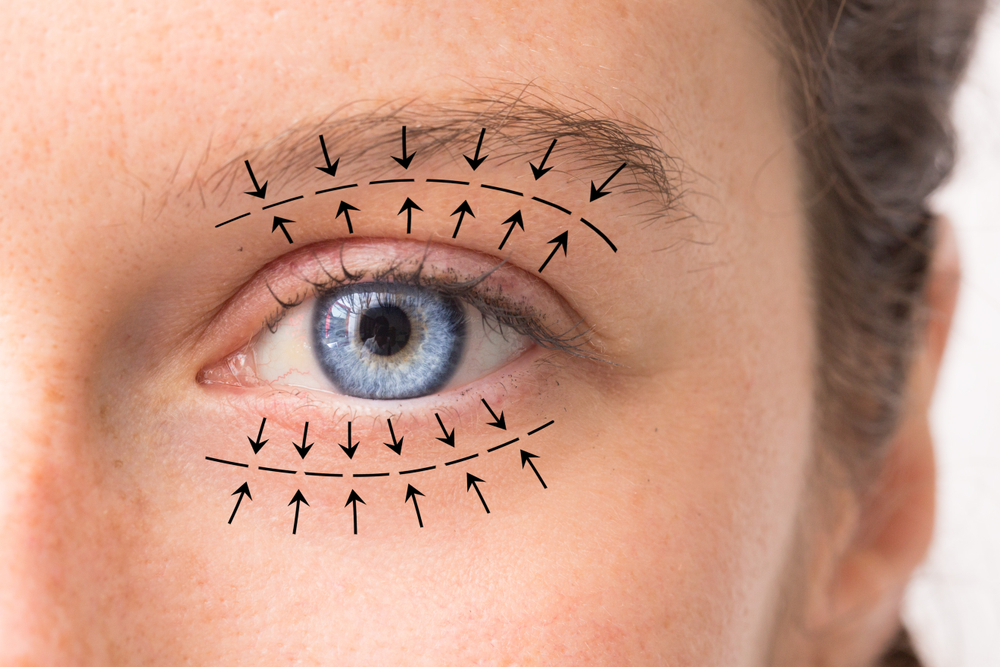
Eyelid Surgery Risks and Complications
Blepharoplasty, commonly known as eyelid surgery, is one of the most effective ways to correct droopy eyelids or puffiness around the eyes. As with any surgery, it’s important to be aware of the possible complications, even when they’re rare. This eyelid surgery preparation guide outlines the most common side effects, moderate concerns, and rare but serious complications.
By being informed and proactive, you can better prepare for surgery, recovery, and long-term results. TVLC is led by experienced ophthalmologists who specialize in advanced eyelid procedures and comprehensive eye care. We focus on safety, precision, and personalized treatment for every patient.

Eyelid surgery is generally safe when performed by an experienced surgeon. Research on postoperative outcomes notes that complications in blepharoplasty are uncommon and typically mild, according to a study in PMC.
Understanding these risks helps patients set realistic expectations and know what to watch for during eyelid surgery healing stages.
Common and Temporary Side Effects
These side effects are normal in the early stages of healing and typically resolve within a few days or weeks.
Swelling and bruising: Mild to moderate swelling and bruising around the eyes is common and usually fades within 7–14 days.
Dry eyes: You may feel dryness or grittiness, especially in the first week after surgery.
Temporary blurred vision: Some patients experience blurry or hazy vision, which improves as the eyes heal.
Tightness or numbness: A tight or slightly numb feeling around the eyelids is expected and usually temporary.
Light sensitivity: Your eyes may be more sensitive to light during early healing and should improve with time.
These side effects may also overlap with recovery symptoms seen after other vision procedures, such as cataracts surgery or LASIK eye surgery.
Moderate Complications
These are less common but may require medical attention or minor corrective treatment.
Eyelid malposition: This occurs when the lower eyelid turns outward, exposing the inner surface. It may require revision surgery if it doesn’t resolve on its own.
Persistent asymmetry: One eye may appear slightly different from the other if healing is uneven or tissue settles differently.
Chemosis: This is significant swelling of the conjunctiva, causing a jelly-like appearance on the eye’s surface.
Hematoma: A collection of blood beneath the skin that may cause swelling or discomfort, and in some cases, require drainage.
Understanding how eyelid surgery is done helps patients identify these symptoms early and follow proper aftercare.

Serious Complications
Though rare, these complications are more severe and may lead to long-term effects.
Vision loss: Extremely rare but serious, this may occur due to bleeding or infection affecting the optic nerve.
Lagophthalmos: The inability to fully close the eyes, which can lead to dry eyes or corneal exposure.
Infection: Like any surgery, blepharoplasty carries a small risk of infection that must be treated promptly.
Unsatisfactory aesthetic results: In some cases, the eyelids may appear hollow, over-corrected, or under-corrected. These outcomes may require revision surgery or cosmetic touch-ups for improvement.
Understanding your unique risk profile starts with a personalized eyelid consultation process. A thorough discussion with your ophthalmologist helps you prepare for surgery and avoid preventable issues.
Prevention and Risk Mitigation
While no surgery is entirely risk-free, many eyelid surgery risks and complications can be minimized with proper planning and expert care. Taking the right steps before surgery leads to better outcomes, safer healing, and long-term satisfaction.
Pre-operative Assessment
A detailed pre-surgical exam helps your ophthalmologist spot any issues that could lead to complications. They’ll assess your general health, eyelid anatomy, and any existing conditions like cataracts or dry eyes. This thorough approach supports safer surgery and better overall eye care.
Medication and Lifestyle Management
Before surgery, you may be asked to pause medications like blood thinners or anti-inflammatories, which can increase bleeding risk. Smoking should also be stopped, as it can delay healing and raise the risk of infection.
The World Health Organization (WHO) confirms that smokers face significantly higher risks of poor wound healing and post-surgical complications. Proper lifestyle planning supports a smoother recovery and lowers the risk of post-operative problems.
Surgeon Selection
Choosing a qualified ophthalmologist with experience in eyelid procedures is essential. A skilled surgeon understands the delicate nature of the eyelid area and follows best practices to minimize complications. They also know how to manage patients with other eye conditions, such as those who’ve had cataracts or conventional implants.
Follow-Up and Aftercare
Ongoing follow-up appointments are just as important as the surgery itself. Your surgeon will monitor healing, answer questions, and provide updated eye care instructions tailored to your needs. Prompt attention to any early signs of issues helps prevent complications before they develop.
FAQs: Eyelid Surgery (Blepharoplasty) Procedure
How risky is eyelid surgery?
Eyelid surgery is generally very safe when performed by a qualified ophthalmologist. Most complications are mild and temporary, especially when patients follow proper eyelid surgery aftercare instructions.
What is the most common complication after blepharoplasty?
Swelling and bruising are the most common and expected side effects. These typically resolve within the first two weeks of the eyelid surgery recovery timeline.
Will I have visible scars?
Incisions are made in natural folds or hidden areas, so scars are usually minimal and fade over time. Proper healing and aftercare can further reduce scar visibility.
What happens if too much skin is removed?
Removing too much skin can lead to difficulty fully closing the eyes or eyelid tightness. This may require corrective surgery. Choosing an experienced surgeon reduces the chances of this happening.
How does the consultation process help prevent complications?
During the eyelid surgery consultation process, your ophthalmologist will review your medical history, eye health, and goals. This helps customize the surgery and identify any potential risks early.
Can eyelid surgery affect my vision?
In most cases, eyelid surgery does not negatively affect vision and may even improve it, especially if drooping upper lids were blocking your line of sight. However, temporary blurred vision can occur during early healing and typically resolves on its own.
How long does eyelid surgery recovery take?
The typical eyelid surgery recovery timeline is about 10 to 14 days for most swelling and bruising to subside. Full healing and final results can take several weeks to a few months.
Are follow-up visits necessary after eyelid surgery?
Yes, follow-up appointments are essential to monitor healing and catch any potential issues early. Your surgeon will also guide you through updated eyelid surgery aftercare instructions based on your recovery progress.
Services
Learn More
Keep In Touch
Contact Us
hours of operation
- Monday8:00am - 5:00pm
- Tuesday8:00am - 5:00pm
- Wednesday8:00am - 5:00pm
- Thursday8:00am - 5:00pm
- Friday8:00am - 5:00pm
- SaturdayClosed
- SundayClosed
QUICK LINKS
© 2026 Texas Vision Laser Center. All rights Reserved. Accessibility Statement - Privacy Policy - Sitemap
Managed and Designed By
