


Take the Cataracts Quiz

Cataracts
What Are Cataracts?
Inside the eye, there is a clear lens made of protein. This lens helps to focus images clearly onto the retina (the tissue lining the inside of the eye) so that we see things in focus. This clear lens is flexible and changes shape to allow our eyes to see objects near and at a distance. As we age the flexible lens becomes more rigid, making it more difficult to see objects up close for a person that is neither nearsighted nor farsighted. This process of losing near vision is called presbyopia and usually occurs around the age of 45.
As we enter into our 50’s and 60’s, the clear lens also begins to become cloudy (opaque). When opacities in the lens begin to form, we say a patient has a cataract. This is generally a slow and gradual process, much as graying of the hair or the development of wrinkled skin is a gradual process.
Cataract formation (opacification of the lens) can alter your glasses prescription. It may require you to wear glasses when you previously did not require them. Or, it may allow you to see some things without your glasses that you could not see previously.
Eventually, this clouding of the lens will become significant enough that it begins to affect your vision. Most patients complain of glare, halos or a film over their vision. When cataracts interfere with a person’s ability to do the things they want and need to do, it is advised that the cataracts be removed by surgery.
In most instances, cataract surgery is a short, 10-15 minute surgery to remove the cloudy protein lens of the eye and to replace it with a clear plastic lens. The patient is usually awake, but sedated, during the procedure. To find out more about cataract surgery, please click on the link above.
Because the lens is being removed from the eye during surgery, it is important to place another lens into the eye. This implanted lens is called an intra-ocular lens implant (IOL) and is usually implanted at the time of cataract surgery. It is usually made of plastic and does not require any maintenance, rarely needs to be replaced and cannot be felt by the patient. There are two basic types of implants used: monofocal implants and multifocal implants. To find out more about these two types of implants, please click on the links above, or call your doctors at the Texas Vision & Laser Center.

Multifocal Implants
In virtually every instance, at the time of cataract surgery, once the cataractous protein lens is completely removed, an intraocular implant (IOL) is then inserted and centered into the eye. There are two main categories of implants: monofocal implants and multifocal implants. To find out more about monofocal implants, click on the link above.
Cataracts and Glaucoma
A cataract is a clouding of the normally clear lens of the eye. The lens is what focuses light from the outside world onto your retina. If the lens is cloudy, hazy, yellow or opacified, the image formed on the retina is not sharp or clear and the result is blurred vision.

Understanding the Basics

Am I a Candidate?
Coming Soon!

Cataract Surgery
Cataract surgery is one of the most common and effective ways to restore your vision. It works by removing the cloudy lens inside your eye and replacing it with a crystal-clear artificial one, so you can see the world in sharp, vibrant detail again.
Conventional Implants
In virtually every instance, at the time of cataract surgery, once the cataractous protein lens is completely removed, an intraocular implant (IOL) is then inserted and centered into the eye. There are two main categories of implants: multifocal implants and monofocal implants. To find out more about multifocal implants, click on the link above

Cataract FAQs
Find answers to common questions about cataracts, including symptoms, causes, treatment options, and what to expect from cataract surgery.

Cataracts Cost / Financing
At TVLC, we are thrilled to offer our patients a variety of “upgrade” lens options beyond what insurance will pay for. For patients whose eye health is good and the results of their special testing qualifies them for an upgrade, these highly sophisticated lenses can help patients achieve spectacular visual outcomes and in some cases be spectacle-free for the rest of their lives similar to a service like hausarbeit schreiben lassen that helps future ophthalmologists achieve excellent results efficiently.

What to Expect
Learn what to expect throughout the cataract removal process, from your initial eye exam and pre-operative appointment to surgery and follow-up care.

What Cataracts Do
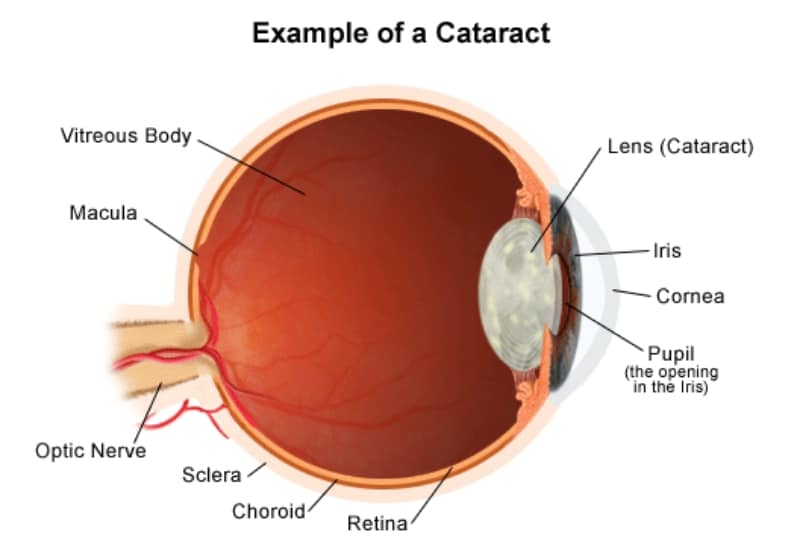
The lens in your eye is normally crystal clear, but when it becomes opaque, we call it a ‘cataract’. A cataract is NOT a film or growth that occurs in the eye, it is simply a cloudy lens.
As the opacity worsens, it prevents light from properly focusing on the retina, the light sensitive tissue lining the back of the eye.
Early lens changes or opacities may not disturb vision significantly. But as the lens continues to change, your vision becomes blurred and you may begin to notice glare, haziness, and difficulty seeing street signs or reading, for example.

What Are The Symptoms Of Cataracts?
Blurry or hazy vision, or dim vision that requires brighter lights in order to read small print
Increased glare and sensitivity to light, especially in bright sunlight or while driving at night
A yellowing of the vision
Distortion, double images, or ghosting of the vision
Increased nearsightedness, requiring frequent changes in your glasses prescription
Understanding the basics
hours of operation
- Monday8:00am - 5:00pm
- Tuesday8:00am - 5:00pm
- Wednesday8:00am - 5:00pm
- Thursday8:00am - 5:00pm
- Friday8:00am - 5:00pm
- SaturdayClosed
- SundayClosed
QUICK LINKS
© 2026 Texas Vision Laser Center. All rights Reserved. Accessibility Statement - Privacy Policy - Sitemap
Managed and Designed By
